In today’s fast-paced digital world, 𝗮𝗰𝗰𝗲𝘀𝘀 𝘁𝗼 𝗱𝗮𝘁𝗮 𝗶𝘀 𝗻𝗼 𝗹𝗼𝗻𝗴𝗲𝗿 𝗲𝗻𝗼𝘂𝗴𝗵, what matters is how fast, secure, and intelligently you can act on it.
For developers, DBAs, and business leaders looking to bridge 𝗱𝗮𝘁𝗮 𝗼𝗽𝗲𝗿𝗮𝘁𝗶𝗼𝗻𝘀 and AI-driven decision-making, the combined power of 𝗢𝗿𝗮𝗰𝗹𝗲 𝗦𝗤𝗟𝗰𝗹 and 𝗠𝗼𝗱𝗲𝗹 𝗖𝗼𝗻𝘁𝗲𝘅𝘁 𝗣𝗿𝗼𝘁𝗼𝗰𝗼𝗹 (𝗠𝗖𝗣) is changing the game.
Whether you’re managing massive datasets or building automation on top of your Oracle stack, this integration is worth your attention.
𝗪𝗵𝗮𝘁 𝗶𝘀 𝗠𝗖𝗣 (𝗠𝗼𝗱𝗲𝗹 𝗖𝗼𝗻𝘁𝗲𝘅𝘁 𝗣𝗿𝗼𝘁𝗼𝗰𝗼𝗹)?
Let’s start with the basics.
𝗠𝗖𝗣 (𝗠𝗼𝗱𝗲𝗹 𝗖𝗼𝗻𝘁𝗲𝘅𝘁 𝗣𝗿𝗼𝘁𝗼𝗰𝗼𝗹) is a modern communication framework that connects 𝗔𝗜 𝗮𝗴𝗲𝗻𝘁𝘀 to enterprise systems, databases, APIs, cloud platforms, and more, using a standardized set of tools and protocols.
In simple terms, MCP allows intelligent agents (like chatbots or backend automation scripts) to 𝗽𝗲𝗿𝗳𝗼𝗿𝗺 𝗿𝗲𝗮𝗹 𝗮𝗰𝘁𝗶𝗼𝗻𝘀 in your infrastructure, such as retrieving records, running reports, or executing database operations, as if they were human operators.
𝗪𝗵𝘆 𝗜𝘁 𝗠𝗮𝘁𝘁𝗲𝗿𝘀:
• Enables 𝘀𝗲𝗰𝘂𝗿𝗲, 𝗴𝗼𝘃𝗲𝗿𝗻𝗲𝗱 𝗮𝗰𝗰𝗲𝘀𝘀 to backend systems.
• Offers 𝗔𝗜-𝗽𝗼𝘄𝗲𝗿𝗲𝗱 𝗮𝘂𝘁𝗼𝗺𝗮𝘁𝗶𝗼𝗻 without rebuilding existing systems.
• Simplifies integration across multiple enterprise tools like SAP, Oracle, Salesforce, and more.
𝗪𝗵𝗮𝘁 𝗶𝘀 𝗢𝗿𝗮𝗰𝗹𝗲 𝗦𝗤𝗟𝗰𝗹?

𝗢𝗿𝗮𝗰𝗹𝗲 𝗦𝗤𝗟𝗰𝗹 (𝗦𝗤𝗟 𝗖𝗼𝗺𝗺𝗮𝗻𝗱 𝗟𝗶𝗻𝗲) is a modern command-line interface for Oracle Database that offers much more than just SQL execution.
Think of it as a 𝗽𝗼𝘄𝗲𝗿 𝘁𝗼𝗼𝗹 for developers and DBAs — combining the flexibility of SQL*Plus with 𝗺𝗼𝗱𝗲𝗿𝗻 𝘀𝗰𝗿𝗶𝗽𝘁𝗶𝗻𝗴, 𝗝𝗦𝗢𝗡 𝘀𝘂𝗽𝗽𝗼𝗿𝘁, 𝗥𝗘𝗦𝗧 𝗶𝗻𝘁𝗲𝗿𝗮𝗰𝘁𝗶𝗼𝗻, and even 𝗟𝗶𝗾𝘂𝗶𝗯𝗮𝘀𝗲 𝗶𝗻𝘁𝗲𝗴𝗿𝗮𝘁𝗶𝗼𝗻 for version-controlled deployments.
𝗞𝗲𝘆 𝗙𝗲𝗮𝘁𝘂𝗿𝗲𝘀:
• SQL & PL/SQL execution with auto-formatting
• JSON, CSV, and HTML output formats
• Command history and tab completion
• REST API calls directly from the CLI
• Integration with version control and automation pipelines
With SQLcl, your terminal becomes a 𝗱𝘆𝗻𝗮𝗺𝗶𝗰 𝗶𝗻𝘁𝗲𝗿𝗳𝗮𝗰𝗲 to your Oracle data, ready for rapid development and DevOps workflows.
𝗕𝗲𝗻𝗲𝗳𝗶𝘁𝘀 𝗳𝗼𝗿 𝗗𝗲𝘃𝗲𝗹𝗼𝗽𝗲𝗿𝘀 & 𝗗𝗕𝗔𝘀
If you’re a technical professional, SQLcl offers a 𝘀𝗺𝗼𝗼𝘁𝗵𝗲𝗿, 𝘀𝗺𝗮𝗿𝘁𝗲𝗿 𝘄𝗮𝘆 to interact with Oracle databases, while MCP opens the door to AI-powered automation.
𝗛𝗲𝗿𝗲’𝘀 𝗵𝗼𝘄 𝘁𝗵𝗶𝘀 𝗱𝘂𝗼 𝗵𝗲𝗹𝗽𝘀:
𝗙𝗮𝘀𝘁𝗲𝗿 𝗗𝗲𝘃𝗲𝗹𝗼𝗽𝗺𝗲𝗻𝘁
Use SQLcl’s scripting and formatting tools to test queries, run PL/SQL blocks, or export data without switching tools.
𝗗𝗲𝘃𝗢𝗽𝘀 𝗥𝗲𝗮𝗱𝘆
Automate schema updates, apply changesets via Liquibase, and even trigger deployments via MCP-enabled agents.
𝗖𝗿𝗼𝘀𝘀-𝗣𝗹𝗮𝘁𝗳𝗼𝗿𝗺 𝗙𝗹𝗲𝘅𝗶𝗯𝗶𝗹𝗶𝘁𝘆
SQLcl works seamlessly on Windows, macOS, and Linux, a unified experience for remote teams.
𝗔𝗜 𝗠𝗲𝗲𝘁𝘀 𝗗𝗮𝘁𝗮𝗯𝗮𝘀𝗲
With MCP integration, AI agents can use SQLcl as a backend tool to retrieve, update, or analyze Oracle data.
Imagine a scenario where an AI assistant checks inventory levels, updates supplier records, and generates reports, all via SQLcl powered by MCP. That’s not the future, it’s today.
𝗕𝗲𝗻𝗲𝗳𝗶𝘁𝘀 𝗳𝗼𝗿 𝗕𝘂𝘀𝗶𝗻𝗲𝘀𝘀 𝗢𝘄𝗻𝗲𝗿𝘀 & 𝗗𝗲𝗰𝗶𝘀𝗶𝗼𝗻-𝗠𝗮𝗸𝗲𝗿𝘀
You don’t need to understand SQL syntax to benefit from SQLcl and MCP. What matters is what they enable:
𝗙𝗮𝘀𝘁𝗲𝗿 𝗧𝗶𝗺𝗲 𝘁𝗼 𝗜𝗻𝘀𝗶𝗴𝗵𝘁𝘀
Access mission-critical reports and analytics in real-time, automated by AI agents instead of waiting on manual queries.
𝗜𝗺𝗽𝗿𝗼𝘃𝗲𝗱 𝗢𝗽𝗲𝗿𝗮𝘁𝗶𝗼𝗻𝗮𝗹 𝗘𝗳𝗳𝗶𝗰𝗶𝗲𝗻𝗰𝘆
Tasks that once took hours, like reconciliations, compliance checks, or report generation, can now run autonomously.
𝗖𝗼𝘀𝘁 𝗦𝗮𝘃𝗶𝗻𝗴𝘀
Reduced reliance on manual scripting and legacy tools translates to lower operational costs and fewer delays.
𝗦𝘁𝗿𝗼𝗻𝗴𝗲𝗿 𝗚𝗼𝘃𝗲𝗿𝗻𝗮𝗻𝗰𝗲
SQLcl supports modern authentication and output formats (like JSON), ensuring your data remains 𝘀𝗲𝗰𝘂𝗿𝗲, 𝗮𝘂𝗱𝗶𝘁𝗮𝗯𝗹𝗲, 𝗮𝗻𝗱 𝗰𝗼𝗺𝗽𝗹𝗶𝗮𝗻𝘁.
𝗨𝘀𝗲 𝗖𝗮𝘀𝗲: 𝗔𝗜 𝗔𝗴𝗲𝗻𝘁 + 𝗦𝗤𝗟𝗰𝗹 = 𝗕𝘂𝘀𝗶𝗻𝗲𝘀𝘀 𝗔𝘂𝘁𝗼𝗺𝗮𝘁𝗶𝗼𝗻
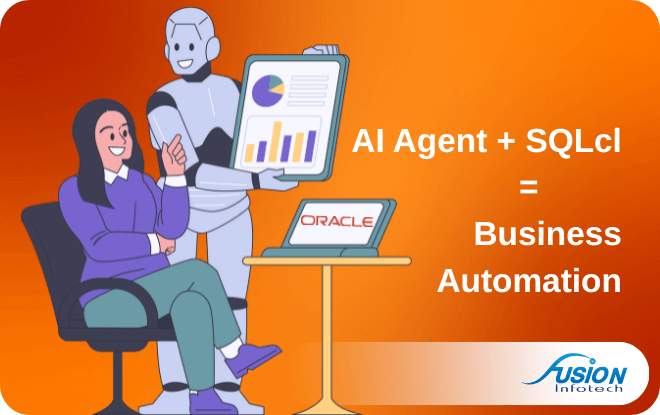
Let’s say your company manages large customer databases in Oracle.
✅ A customer service bot, connected via MCP, uses SQLcl to:
• Fetch account details
• Check service history
• Trigger a workflow to escalate unresolved issues
All of this happens in 𝘀𝗲𝗰𝗼𝗻𝗱𝘀, without a single line of manual SQL entered by a human.
That’s not just convenience, it’s 𝗯𝘂𝘀𝗶𝗻𝗲𝘀𝘀 𝗮𝗴𝗶𝗹𝗶𝘁𝘆 at scale.
🔐 𝗕𝘂𝗶𝗹𝘁 𝗳𝗼𝗿 𝗠𝗼𝗱𝗲𝗿𝗻 𝗜𝗻𝗳𝗿𝗮𝘀𝘁𝗿𝘂𝗰𝘁𝘂𝗿𝗲
SQLcl is also DevSecOps-friendly. It supports:
• 𝗦𝗶𝗻𝗴𝗹𝗲 𝘀𝗶𝗴𝗻-𝗼𝗻 (𝗦𝗦𝗢)
• 𝗦𝗦𝗟 𝗰𝗼𝗻𝗻𝗲𝗰𝘁𝗶𝗼𝗻𝘀
• 𝗖𝗹𝗼𝘂𝗱 𝗱𝗮𝘁𝗮𝗯𝗮𝘀𝗲 𝗶𝗻𝘁𝗲𝗿𝗮𝗰𝘁𝗶𝗼𝗻 (Autonomous DB, Oracle Cloud Infrastructure)
• 𝗟𝗶𝗾𝘂𝗶𝗯𝗮𝘀𝗲 𝗳𝗼𝗿 𝘀𝗰𝗵𝗲𝗺𝗮 𝘃𝗲𝗿𝘀𝗶𝗼𝗻𝗶𝗻𝗴
This makes it ideal for enterprises looking to modernize their Oracle database operations 𝘄𝗶𝘁𝗵𝗼𝘂𝘁 𝘁𝗵𝗲 𝗯𝘂𝗿𝗱𝗲𝗻 𝗼𝗳 𝗹𝗲𝗴𝗮𝗰𝘆 𝘁𝗼𝗼𝗹𝘀.
Conclusion
Oracle SQLcl is 𝗺𝗼𝗿𝗲 𝘁𝗵𝗮𝗻 𝗷𝘂𝘀𝘁 𝗮 𝘁𝗲𝗿𝗺𝗶𝗻𝗮𝗹 𝘁𝗼𝗼𝗹, it’s a launchpad for intelligent database operations.
Paired with the power of MCP, it allows organizations to:
• Build automation at scale
• Empower AI agents to perform real tasks
• Deliver faster, smarter solutions to both technical and business teams
Whether you’re a developer writing SQL scripts, a DBA managing dozens of schemas, or a business leader aiming to automate operations, 𝘁𝗵𝗶𝘀 𝗶𝘀 𝘁𝗵𝗲 𝗯𝗿𝗶𝗱𝗴𝗲 𝗯𝗲𝘁𝘄𝗲𝗲𝗻 𝘆𝗼𝘂𝗿 𝗱𝗮𝘁𝗮 𝗮𝗻𝗱 𝘆𝗼𝘂𝗿 𝗱𝗶𝗴𝗶𝘁𝗮𝗹 𝗳𝘂𝘁𝘂𝗿𝗲.